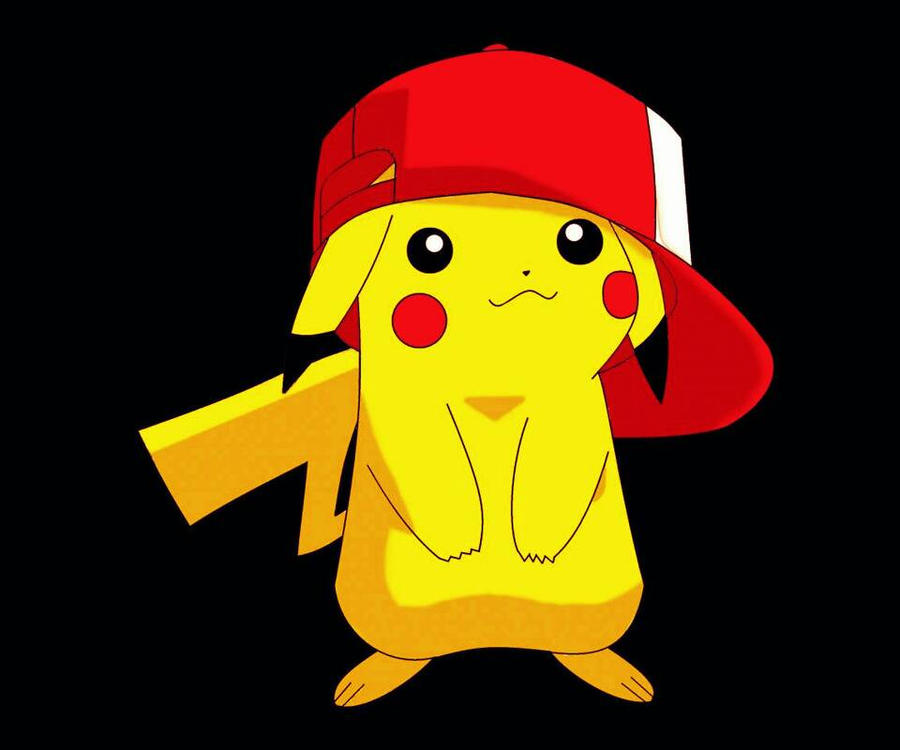
Test Pokémon
Pokémon: Which Animated-Series Trainer Would You Be?
Two days on an island, a small rival and an atlas that will not stay clean. Which part of a journey happens only because someone shares it with you?
PICTURE THE SCENE
On the jetty at Three Stops Island, Bulbasaur puts a muddy paw on the atlas’s first page. Ada laughs; her Psyduck rests its bill on the paper and leaves a second mark. Rui had imagined a tidy cover. You have two days before the return ferry, a campsite above the lagoon and a guided visit to Three Echoes Cave. Afterwards, the atlas will go to the harbour’s small library. Ada would like to make it a guide; Rui wants a collection of things nobody could find again without you. You can set off wanting something different: the path begins just beyond the last houses.
Tap to make each choice. Your result is free.
boeruandra · Cool Pikachu · CC BY-SA 3.0 · boeruandra · Cool Pikachu · 2016 · CC BY-SA 3.0. Complete unchanged copy. · CC BY-SA 3.0
Three Stops Island, Ada, Rui, the atlas, races, inventions and cave visit belong to an original fan story outside the anime’s chronology. The result characters draw on Kanto, XY and the early phase of Pokémon Journeys: these are narrative affinities, not a scientific personality measure or a canonical meeting between all the characters. The result comparisons imagine original encounters. The graphic Pikachu cover is a symbolic invitation to companionship; it does not depict the journey’s two Pokémon or an official cap form. No League winners or conclusions to the characters’ journeys are revealed.
The world behind the story
Pokémon — Kanto characters and companions ↗TV Tokyo — XY series characters ↗TV Tokyo — XY&Z character ambitions ↗TV Tokyo — the early XY adventures ↗Pokémon — Journeys, Goh and Scorbunny ↗Pokémon — Kalos, Showcases and companions ↗How this quiz works
10 choices or questions, taking about 12 minutes to read and answer. Reading your result takes additional time, at your own pace.
Your choices shape an original journey and lead to a narrative portrait. There are no right answers: you can go back and change your mind.
Your answers stay in the page’s memory. Read how the results are created.